Contents
- Age-Appropriate AI Explanations
- Ages 4-6: The Smart Helper
- Ages 7-10: The Pattern Learner
- Ages 11-13: The Data Processor
- Story Prompts for Teaching AI Concepts
- For Young Kids: The Helpful Robot
- For Older Kids: The Learning Machine
- Responsible AI Use: Teaching Through Stories
- Critical AI Literacy Skills
- Conclusion
AI is reshaping the world our children will inherit. Teaching AI literacy isn't about coding - it's about understanding what AI can/can't do, how to use it responsibly, and thinking critically about AI-generated content.
And stories are the perfect medium for teaching these concepts safely to children of all ages.
Age-Appropriate AI Explanations
Ages 4-6: The Smart Helper
"AI is like a really smart helper that can make pictures and stories. We tell it what we want, and it tries its best to create it. Sometimes it does a great job, sometimes we need to try again. It's a tool we use to make fun things."
Ages 7-10: The Pattern Learner
"AI learns from lots and lots of examples. If you show it 1,000 pictures of cats, it learns what cats look like and can draw new cats. It's not thinking like we do - it's finding patterns and mixing them in new ways."
Ages 11-13: The Data Processor
"AI uses math and huge amounts of data to predict what comes next. It's powerful for creating content, but it doesn't understand like humans do. We have to guide it with clear instructions and check its work. AI is a tool - we're responsible for using it well."
Story Prompts for Teaching AI Concepts
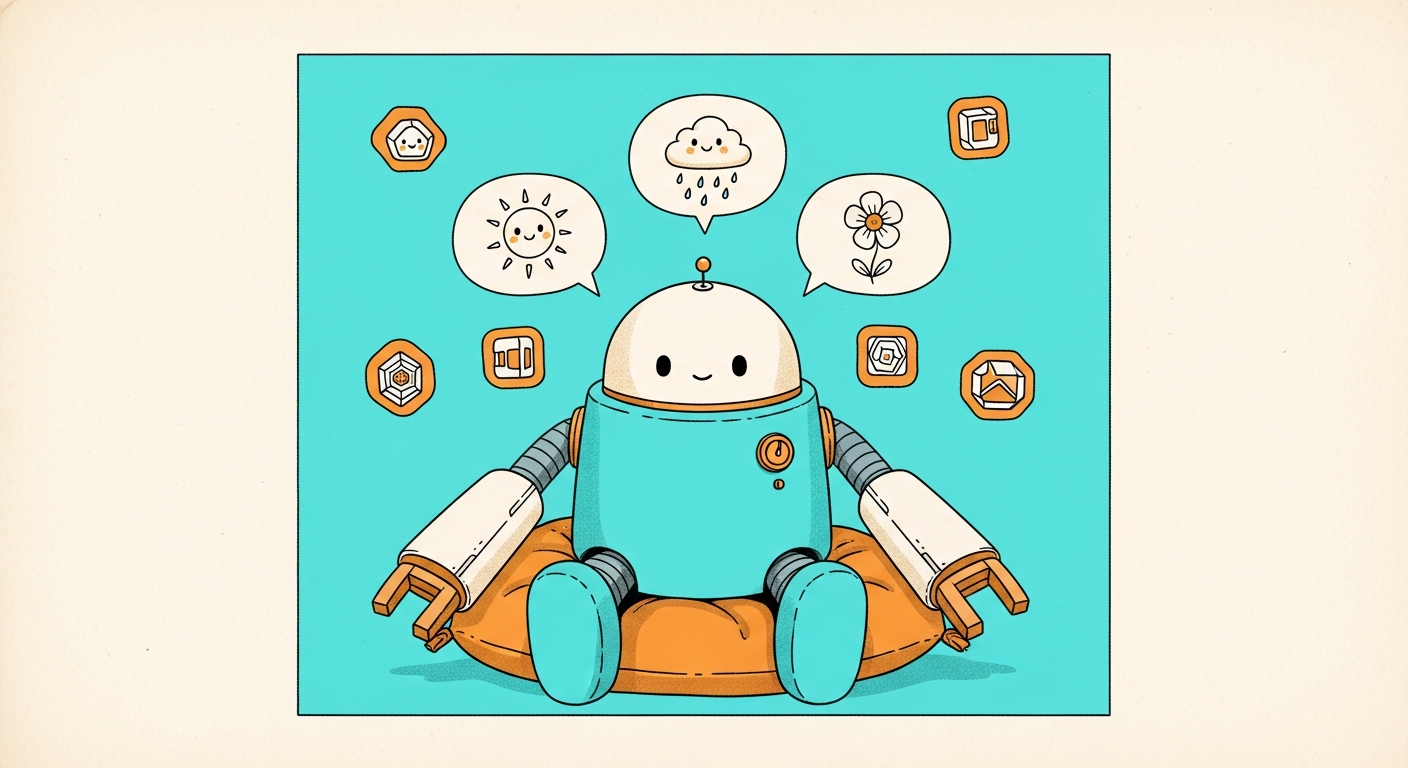
For Young Kids: The Helpful Robot
Story about a friendly robot who is very good at following instructions but sometimes needs clarification. Teaches: AI does what you tell it, clear communication matters, checking output is important.
For Older Kids: The Learning Machine
Story about a machine that learns from examples and creates new things. Sometimes makes mistakes because it doesn't truly understand. Teaches: AI learns from data, limitations of pattern-matching, importance of human judgment.
Responsible AI Use: Teaching Through Stories
Create stories where characters use AI tools responsibly: Always reviewing AI-generated content. Combining AI assistance with human creativity. Recognizing when AI makes mistakes. Using AI to enhance, not replace, their own thinking.
Critical AI Literacy Skills
- AI is tool, not truth (it can be wrong)
- Human judgment required (always review outputs)
- Clear instructions produce better results
- Privacy matters (don't share personal data)
- Creativity remains human (AI assists, doesn't replace)
Conclusion
AI literacy is essential for next generation. Teach it early through stories and hands-on use with proper guidance. Children who understand AI limitations and possibilities will use it more effectively and responsibly.
Try Inky - teach AI concepts through creating stories together. Experience AI as creative tool while discussing how it works. Get 2 free stories!
Newsletter
A little more wonder, weekly.
Story ideas, parenting reads, and what we’re building next.
Like this? There's one more next week
Free weekly note on using stories to navigate the things parenting books skip.
No spam. Just story inspiration and new feature updates.
Written by
Founder, Inky
Building Inky — an AI storytelling studio for personalized, imaginative stories. Writing about raising readers and creativity.


