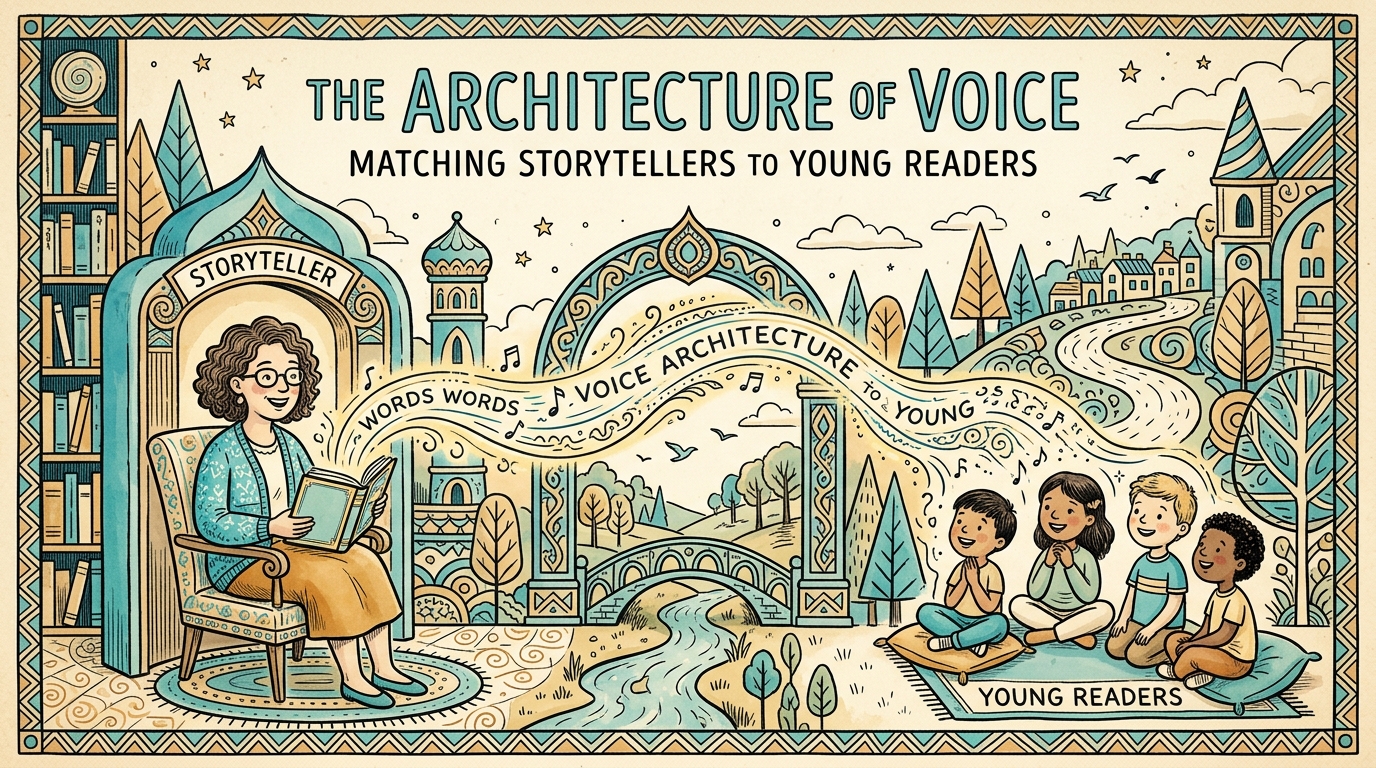
The 131 authors within Inky operate with distinct stylistic blueprints to ensure that a story about a deep-sea trench sounds fundamentally different from a tale of a floating city. While the impulse of many digital tools is to provide a single, neutral tone, the craft of storytelling relies on the friction and flavor of a specific perspective. A narrator is more than a delivery mechanism for plot; they are the lens through which a reader perceives the stakes, the humor, and the sensory details of a new environment. By categorizing these voices into distinct personas, it becomes possible to align the temperament of a story with the specific needs of a reader, whether they require the rhythmic comfort of a poet or the rigorous logic of a scientist.
The Lyricists and the Rhythmic Pulse
For the youngest readers, the value of a story often lies in its cadence. Authors in this category do not simply describe events; they weave them into a tapestry of alliteration, internal rhyme, and predictable meter. These voices are built on the tradition of oral storytelling, where the sound of the words is as important as their meaning. When a narrator leans into the "sibilant shimmer of the silver sea," they are engaging a child’s phonological awareness, making the act of listening a tactile experience.
These authors are particularly effective for bedtime routines. The consistency of their "voice" acts as a signal for the brain to downshift. Because these storytellers prioritize atmosphere and linguistic beauty over high-octane conflict, they create a safe container for exploration. A parent can select a narrator who specializes in soft, sensory descriptions—the smell of rain on warm stone, the weight of a heavy quilt—ensuring that even an adventure into a dark forest feels grounded in comfort.
The Chroniclers of Logic and Fact
As children move into the middle-grade years, their curiosity often shifts from "what happens next" to "how does this work." The authors designed for this demographic approach world-building with the precision of a naturalist or an engineer. They do not just state that a dragon flies; they describe the hollow structure of its bones and the thermal updrafts it seeks over the volcanic plains.
These narrators serve as a bridge between fiction and the real world. By using precise terminology and logical cause-and-effect, they validate the reader's intelligence. If a world has its own physics or a unique ecosystem, these authors keep the canon consistent. They are the record-keepers who ensure that if a rule is established in the first chapter—such as magic requiring a physical catalyst—it is not conveniently forgotten in the third. This rigor builds trust between the reader and the world, allowing the imagination to flourish within a framework that feels sturdy and real.
The Lore-Keepers and Epic Builders
For older readers and those interested in long-form series, the voice must shift toward the expansive. These authors are the architects of history. They speak in the grand tones of legend, often referencing "ancient" events or distant lands that may not appear for several chapters. This style of narration is essential for those who want to build a world that feels inhabited by millions, rather than just a handful of characters.
These voices handle complex themes—loyalty, sacrifice, and the weight of legacy—with a gravity that respects the reader's maturity. They are the creators of "authors with soul," ensuring that the stakes of a story feel earned. When a narrator describes the crumbling ruins of a once-great library, they provide the historical context that makes the protagonist’s quest feel significant. This style is less about the immediate action and more about the "why" behind the world, providing the depth necessary for a story to grow into a multi-generational saga.
The Mischief Makers and Satirists
Not every world requires a serious guide. Some of the most engaging storytellers are those who subvert expectations, using irony, humor, and even the occasional break in the fourth wall to keep the reader on their toes. These authors are designed for children who enjoy the "trickster" archetype—narrators who might admit they don't know what's behind a certain door or who poke fun at the hero’s questionable choices.
This narrative style is particularly effective for reluctant readers. The unpredictability of the voice creates a sense of play, turning the act of reading into a conversation. Humor is a sophisticated cognitive tool; it requires the reader to understand the gap between what is said and what is meant. By choosing a narrator with a dry wit or a penchant for slapstick descriptions, a creator can ensure that their world feels vibrant and energetic.
The Impact of Consistent Perspective
The choice of a narrator is ultimately a choice about the emotional frequency of the world. When a parent or a young author selects a specific voice, they are setting the "gravity" for their entire universe. A story about a lonely robot will feel profoundly different if told by a melancholy poet versus a quirky inventor. This consistency is what allows a collection of stories to feel like a singular, coherent world.
The narrative voice serves as the invisible thread connecting the reader to the characters. When the style remains consistent across a series, the reader develops a relationship with the storyteller themselves. They begin to anticipate how the narrator will describe a new creature or react to a sudden plot twist. This familiarity is the foundation of a lasting story-world, turning a brief encounter with an idea into a place where a reader feels they truly belong. The endurance of a story-world depends entirely on the consistency of its voice, which acts as the gravity holding every character and landscape in its proper place.
Newsletter
A little more wonder, weekly.
Story ideas, parenting reads, and what we’re building next.
Like this? There's one more next week
Free weekly note on using stories to navigate the things parenting books skip.
No spam. Just story inspiration and new feature updates.
Written by
Founder, Inky
Building Inky — an AI storytelling studio for personalized, imaginative stories. Writing about raising readers and creativity.