Contents
- The Screen Time Reality
- Not All Screen Time Is Equal
- Passive Screen Time (Lower Quality)
- Active Screen Time (Higher Quality)
- Where Digital Storytelling Fits
- Practical Balance Strategies
- 1. Create Screen-Free Zones
- 2. Use the "When-Then" Framework
- 3. Quality Over Quantity
- 4. Co-Viewing When Possible
- 5. Model Healthy Habits
- A Sample Daily Schedule
- The Guilt-Free Approach
Let's be honest: screen time is one of the most guilt-inducing topics in modern parenting. You know you should limit it, but life is busy, and screens keep kids entertained while you make dinner, answer emails, or just breathe for five minutes.
The good news? Not all screen time is created equal. And the solution isn't necessarily less screen time - it's better screen time. Let's break down the science and find a sustainable balance.
The Screen Time Reality
According to the American Academy of Pediatrics, children ages 2-5 should have no more than 1 hour of screen time daily, and ages 6+ should have "consistent limits."
But the reality? The average child gets 2-4 hours daily. Before you feel guilty, understand that context matters more than minutes.
Not All Screen Time Is Equal
Passive Screen Time (Lower Quality)
- Mindless YouTube watching
- Rapid-fire short videos
- Games with no educational value
- Content with ads and interruptions
Active Screen Time (Higher Quality)
- Video calls with family
- Educational apps with parent involvement
- Digital storytelling apps
- Creative tools (drawing, music making)
The key difference? Engagement level and whether the content encourages thinking, creativity, or connection.
Where Digital Storytelling Fits
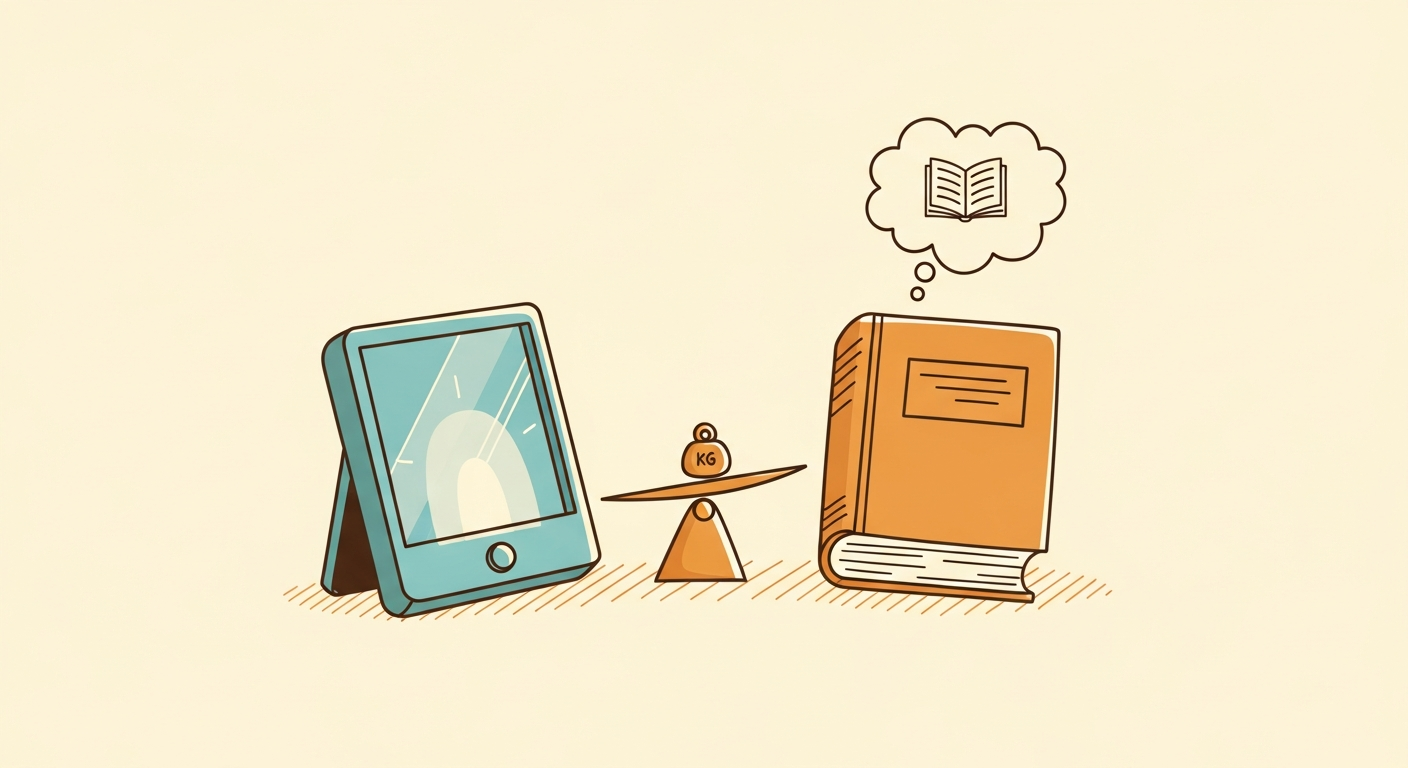
Story apps like Inky occupy a unique middle ground between screens and books:
- They use screens but promote literacy and imagination
- They're digital but encourage parent-child interaction
- They're engaging but narratively coherent (unlike YouTube)
- They're convenient but build vocabulary like books
Research suggests that story-based screen time has similar cognitive benefits to reading physical books, especially when:
- Parents discuss the story afterward
- The content is age-appropriate
- It's part of a bedtime routine
- The story has educational value
Practical Balance Strategies
1. Create Screen-Free Zones
Make mealtimes and the hour before bed screen-free. This creates natural boundaries without constant negotiation.
2. Use the "When-Then" Framework
"When we finish story time, then you can have 30 minutes of iPad time." This makes screens a privilege earned through positive activities, not a default.
3. Quality Over Quantity
30 minutes of educational, interactive content beats 2 hours of random YouTube videos. Focus on what they're watching, not just how long.
4. Co-Viewing When Possible
Watch or listen to stories together. Ask questions, make predictions, discuss the plot. This transforms screen time into quality time.
5. Model Healthy Habits
Children mimic parental behavior. If they see you doom-scrolling, they'll want to do the same. Show them that adults also choose books, conversations, and activities over screens.
A Sample Daily Schedule
Morning: No screens before school (encourages dressing, eating, preparing)
After School: 30 minutes of free play, then 20 minutes of story time, then 30 minutes of screen time if desired
Evening: Family dinner (no screens), bath, bedtime stories (physical books or story apps), lights out
Weekend: More flexible, but maintain story time as a constant anchor
The Guilt-Free Approach
Perfect screen time balance doesn't exist. Some days you'll need more screens. Some days you'll have more story time. That's life with kids.
The goal isn't to eliminate screens - it's to ensure screens don't eliminate other valuable activities like reading, playing, and connecting. If your child is getting daily story time, outdoor play, and family connection, you're doing great.
And remember: digital storytelling apps that build literacy and imagination while making your child the hero? That's screen time you can feel good about.
Newsletter
A little more wonder, weekly.
Story ideas, parenting reads, and what we’re building next.
Like this? There's one more next week
Free weekly note on using stories to navigate the things parenting books skip.
No spam. Just story inspiration and new feature updates.
Written by
Founder, Inky
Building Inky — an AI storytelling studio for personalized, imaginative stories. Writing about raising readers and creativity.


