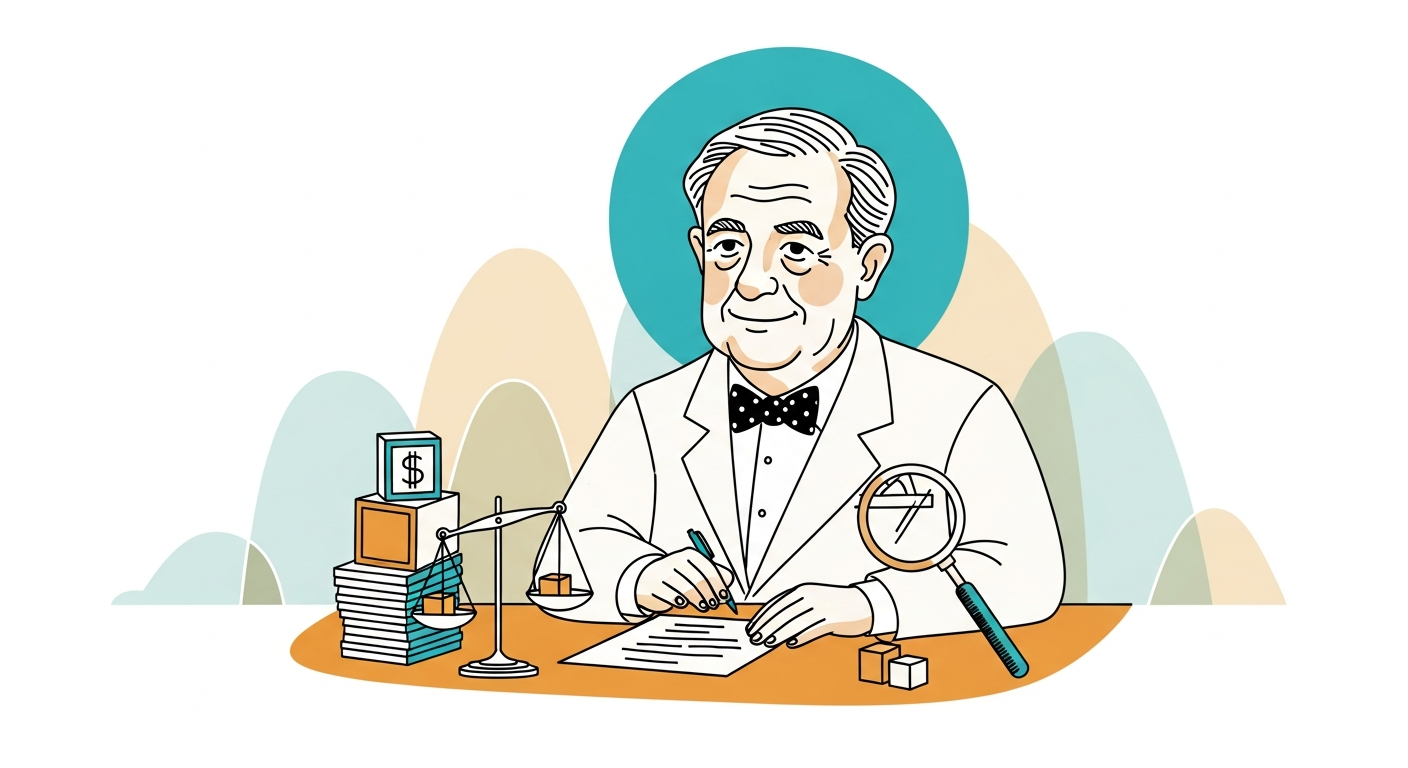
The world of finance and economics is pausing today to remember a giant: Alan Greenspan, the legendary former Federal Reserve chair, has died. His passing marks the end of an era for many who watched him guide the U.S. economy through decades of change, challenge, and unprecedented growth. For those of us who followed the financial news, Greenspan's pronouncements were often the most anticipated events on the calendar, shaping markets and policy alike.
A Maestro of the Markets
Greenspan's tenure as Fed chair, from 1987 to 2006, was one of the longest and most impactful in history. He navigated the central bank through a remarkable period, including the Black Monday stock market crash just months into his chairmanship, the dot-com boom and bust, and the aftermath of 9/11. His approach, often characterized by cautious optimism and a deep understanding of market psychology, earned him both fervent admirers and thoughtful critics.
He was known for his often-cryptic public statements, which market watchers would dissect for any hint of future policy direction. This deliberate ambiguity became a hallmark of his communication style, leading to the famous quip that "if I seem unduly clear to you, you must have misunderstood what I said." Yet, beneath the carefully chosen words was a profound intellect and a commitment to economic stability.
The Greenspan Conundrum
One of the enduring debates surrounding Greenspan's legacy is the concept of the "Greenspan Conundrum." This referred to a period in the mid-2000s when long-term interest rates remained stubbornly low despite the Fed raising short-term rates. It highlighted the increasing complexity of global financial markets and the challenges central banks faced in controlling long-term borrowing costs. This period sparked much discussion in economic news and among policymakers, underscoring the intricate dance between domestic policy and international capital flows.
Shaping Economic Policy for Decades
Greenspan's influence extended far beyond interest rate decisions. He was a staunch advocate for free markets and deregulation, believing that market forces were the most efficient allocators of capital. His views helped shape the economic landscape of the late 20th and early 21st centuries, contributing to an era of sustained economic expansion, often dubbed the "Great Moderation."
However, his legacy is not without its complexities. Critics often point to his role in fostering the housing bubble that ultimately burst in 2008, arguing that his prolonged period of low interest rates fueled excessive risk-taking. Others contend that he was simply responding to global economic forces and that the causes of the financial crisis were far more multifaceted.
Regardless of where you stand on these debates, there's no denying the immense impact Greenspan had. He was a figure who commanded attention, and his every word was scrutinized by investors, economists, and the general public alike. His passing is a moment for reflection on the power of central banking and the individuals who steer these crucial institutions.